
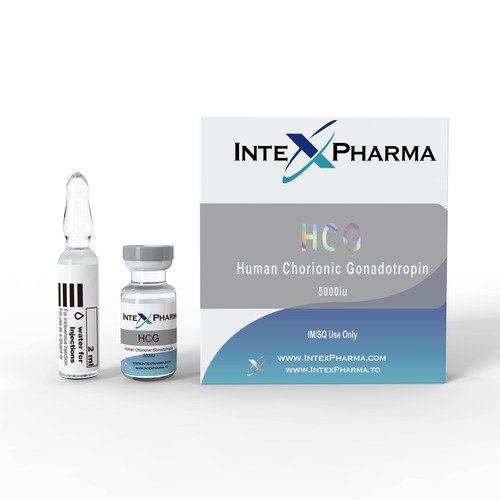
IntexPharma HCG 5000 IU is a human chorionic gonadotropin (hCG) supplied with a separate 2 mL sterile water solution.
| Feature | Details |
| Brand | IntexPharma |
| Product | HCG 5000 IU |
| Active Material | Human chorionic gonadotropin (hCG) |
| Quantity | 5,000 IU |
| hCG Format | Vial |
| Included Solution | 2 mL sterile water solution |
| Pack Contents | 1 × 5,000 IU vial + 1 × 2 mL ampoule |
| Use | Research use only |
£34.00
Smart Packaging
Secure Payment
14-Day Returns
Buy HCG 5000 IU from Peptide Suppliers in the UK for laboratory and research use.
This HCG 5000 product, manufactured by Intex Pharma, includes 5,000 IU of human chorionic gonadotropin and is available for research purposes only.
Human chorionic gonadotropin (hCG) is a glycoprotein hormone having structural similarity to luteinizing hormone (LH). Researchers study human chorionic gonadotropin (hCG) for its ability to interact with LH/hCG receptors.
hCG stands for human chorionic gonadotropin is a glycoprotein hormone found in nature. This hormone is associated with pregnancy because placental cells produce it.
Human chorionic gonadotropin has alpha and beta subunits. Like LH, FSH, and TSH, human chorionic gonadotropin possesses an alpha subunit. Beta subunit makes hCG specific. Due to its similar structure, hCG binds to LH/hCG receptors.
Research on HCG has focused on its role in reproductive and endocrine processes. Studies on HCG include the effects of HCG interaction with LH/hCG receptors and its signal transduction mechanism. hCG research also includes ovarian and testicular function.
Because hCG’s biological function depends on LH/hCG receptor activation, it is a valuable model for experimental research on gonadal hormone signalling.
Studies have examined the molecular structure of hCG. These studies can provide information on how glycosylation, structure, and receptor interactions may affect biological function.
However, conclusions should be based on the experimental model used. Laboratory findings cannot automatically be applied to humans.
HCG is a glycoprotein hormone that consists of two subunits. They are called alpha and beta subunits. The alpha subunit is structurally similar to other glycoprotein hormones, while the beta subunit makes hCG biologically unique.
HCG has close structural association with luteinizing hormone (LH). HCG and LH have the ability to bind to the LH/hCG receptor. This is one reason this hormone is frequently researched in reproductive endocrinology.
HCG binds to the LH/hCG receptor. It is also called the luteinising hormone/chorionic gonadotropin receptor. This receptor can be found mostly in reproductive tissues and is being investigated for activation by researchers.
The hormone HCG may appear in various molecular structures. Researchers have reported distinct variations in glycosylation and molecular structure in hCG molecules. This can affect how researchers test and analyse the hormone in laboratories.
The laboratory researchers should refer to existing product documentation prior to employing HCG in the experiment.
Based on the product documentation of the manufacturer, valuable analytical data may be:
Appropriate methods for analysis should be used by the researchers.
Since HCG belongs to the category of research protein products, scientists must follow the instructions given by the manufacturer in the current manufacturer documentation.
General laboratory handling of the product should include the following:
HCG 5000 IU contains 5,000 international units of human chorionic gonadotropin.
They are not the same, although they are structurally similar and both bind to the same LH/hCG receptor.
HCG is studied because of its role in hormone signalling in reproduction. Researchers commonly study its action on the LH/hCG receptor.
Researchers should review the product documentation for identity, activity, purity, batch information, storage conditions, and available analytical testing.
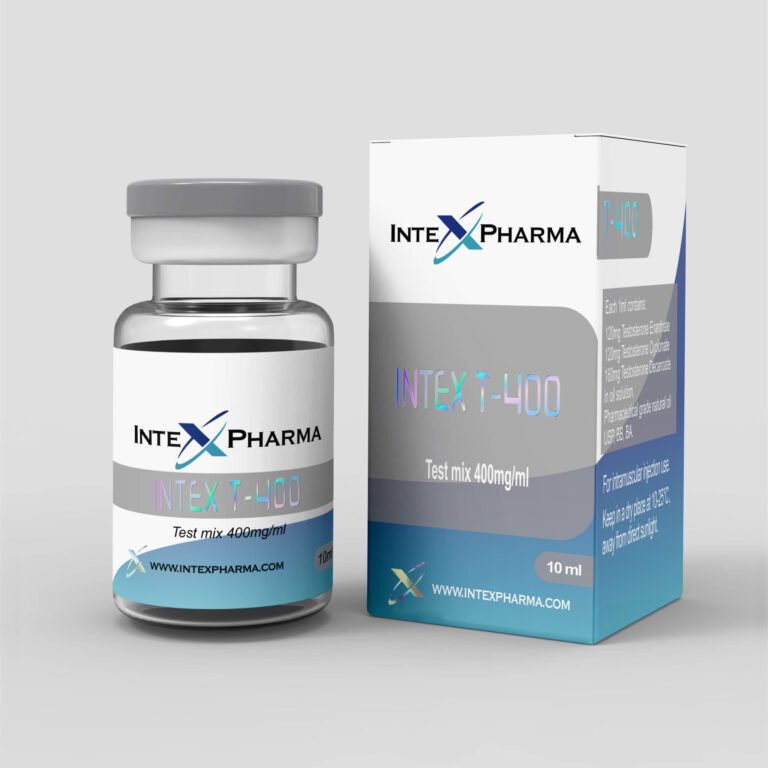
£41.00
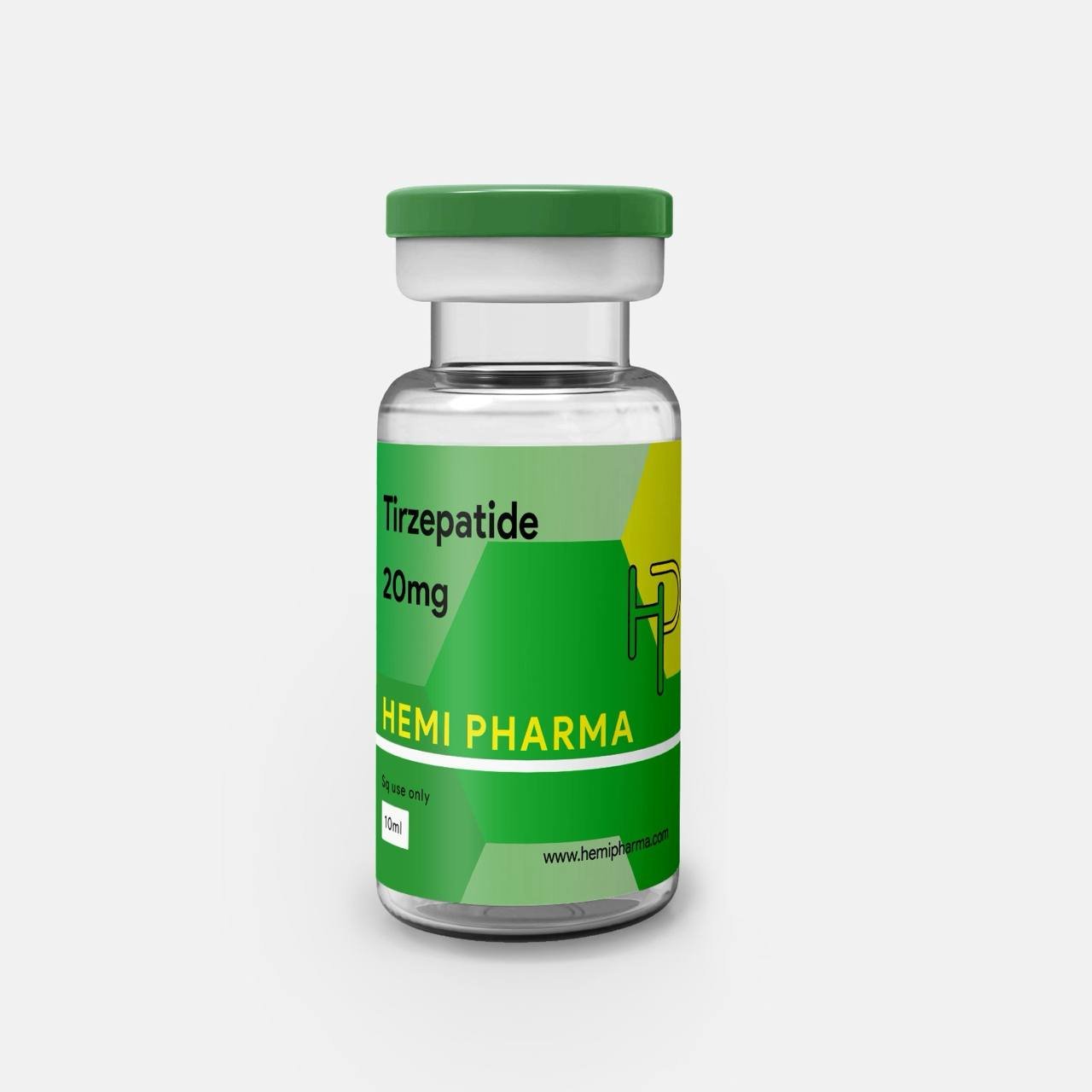
£120.00
£34.00